Transform Your Home: The Ultimate Overview to Concrete Leveling for a Remarkable Complete
Concrete surfaces can deteriorate in time, resulting in unevenness that affects both safety and visual appeals. Homeowners may observe splits, dips, or inclines that compromise functionality. Recognizing the causes and indications of these issues is vital. Different techniques exist for leveling concrete, each with its own collection of products and techniques. Concrete Leveling Des Moines. When to deal with the work yourself or call in an expert can make all the distinction, understanding. The journey to a remarkable coating begins here
Comprehending the Reasons of Unequal Concrete Surfaces
Although concrete is renowned for its sturdiness, various variables can bring about unequal surfaces over time. One main reason is soil activity, which might arise from changes in dampness levels or bad compaction during installment. As the ground shifts, it can produce gaps below the concrete, leading to working out. In addition, freeze-thaw cycles can exacerbate this problem, as water trapped within fractures increases when frozen, causing more surface disturbance. Hefty lots and resonances from automobiles or machinery can additionally add to surface area abnormalities. Improper water drainage can result in water pooling and disintegration, weakening the concrete's integrity. Eventually, recognizing these causes is crucial for homeowners looking to keep their concrete surface areas and ensure durable security.
Indications That Your Concrete Needs Leveling
Acknowledging the indications that concrete requirements leveling is vital for preserving the honesty of surface areas affected by underlying issues. Home owners must be attentive for noticeable splits in the concrete, as these might show settling or changing. Additionally, the existence of visible dips or uneven surfaces can bring about hazardous stumbling hazards. Water merging in particular locations during rainfall can also signal improper incline and water drainage concerns. Other indication consist of trouble opening up doors or windows, which may become misaligned due to concrete shifts. Lastly, if the garage floor appears uneven or if there are gaps between the concrete and adjoining structures, it's important to assess professional assessment to deal with these prospective problems promptly.
Different Techniques of Concrete Leveling
Concrete leveling can be achieved through various methods, each with its own advantages. Mudjacking and polyjacking are two prominent techniques that vary in their products and application processes. In addition, self-leveling substances supply a straightforward solution for small flaws in concrete surface areas.
Polyjacking vs. mudjacking
Frequently, property owners deal with the difficulty of unequal concrete surface areas, triggering them to consider effective leveling techniques. 2 preferred methods are polyjacking and mudjacking. Mudjacking entails injecting a cement-based combination beneath the slab to raise it, making it a time-tested, cost-efficient solution. It can be hefty and might take longer to completely dry. On the other hand, polyjacking uses polyurethane foam, which is lighter and increases upon shot, supplying a much more effective lift. This technique remedies quickly, lessening downtime and interruption. While mudjacking might appropriate for larger projects, polyjacking is usually preferred for its speed and reduced weight. Ultimately, the choice in between these techniques depends on particular task requirements, budget considerations, and the desired longevity of the repair.
Self-Leveling Substances Explained
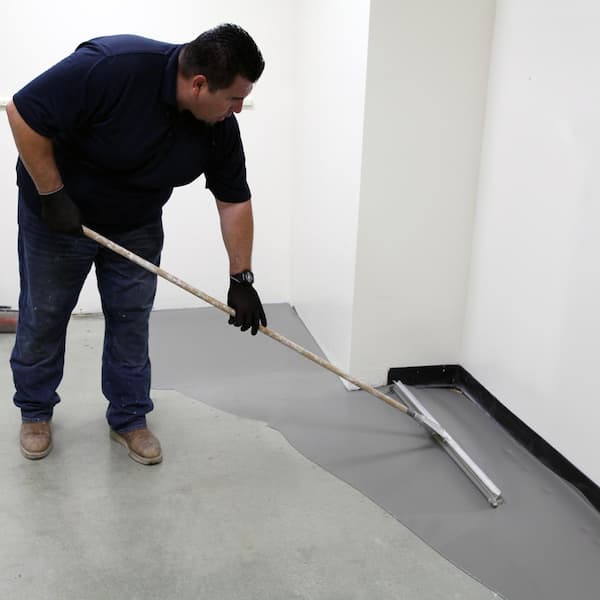
A variety of self-leveling compounds are available to address unequal concrete surfaces, giving home owners with efficient solutions for achieving a smooth surface. These substances are normally made from a mix of cement, polymers, and aggregates, enabling simple application and rapid healing. When poured onto the surface area, they move and clear up right into reduced areas, producing a level plane.
Products Made Use Of in Concrete Leveling
Effective concrete leveling relies upon a variety of customized products made to boost security and resilience. Amongst these, self-leveling compounds are generally used, offering a smooth surface area by loading reduced areas and creating an even finish. Additionally, polymer-modified mortars provide boosted adhesion and adaptability, making them suitable for different substrates. Foam and mud jacking products, such as polyurethane, are frequently utilized for elevating settled concrete pieces, guaranteeing durable support. Moreover, fracture fillers and sealers play a necessary function in resolving surface area blemishes and stopping future damage. Supports like steel rebar or wire mesh can be incorporated to reinforce structural integrity. With each other, these materials add to effective and efficient concrete leveling solutions.
DIY Concrete Leveling: Step-by-Step Overview
In the domain name of do it yourself concrete leveling, comprehending the needed devices is essential for a successful project. The process involves a clear step-by-step application that ensures a smooth and also surface. This guide will certainly lay out both the crucial tools and the systematic technique required for efficient concrete leveling.
Devices Needed for Leveling

Step-by-Step Application Process
A successful concrete leveling job includes a number of clear and systematic actions that assure a balanced surface area. First, the location should be extensively cleaned to remove any type of debris or loosened product. Next off, any type of considerable cracks ought to be fixed to determine a smooth base. After preparing the surface area, the leveling substance is blended according to the producer's guidelines. The mix is then poured onto the irregular areas, beginning from the most affordable factor. Making use of a progressing or a trowel device, the compound is spread out uniformly over the surface area. When used, it is vital to permit adequate drying time as defined in the standards. The freshly leveled surface can be completed with paint or sealant for added defense and visual appeals.
When to Employ an Expert
Concrete leveling can be an intricate task that usually needs an expert's proficiency. Homeowners must consider hiring an expert when the concrete problems are comprehensive, such as considerable splits, big sunken areas, or when the concrete periods a big surface area. Furthermore, if the task includes specific tools or materials, an expert's experience can assure correct application and security. Those doing not have the time or knowledge to carry out the leveling process efficiently may also take advantage of professional help. Additionally, if the job calls for adherence to regional building regulations or authorizations, professionals can navigate these policies effortlessly. Inevitably, purchasing a specialist can conserve time, reduce stress, and bring about an extra long lasting, premium surface.
Preserving Your Concrete After Leveling
Correct upkeep of leveled concrete is necessary to guarantee its durability and sturdiness. After leveling, it is vital to allow the concrete to cure properly, typically for at the very least 28 days, to attain peak stamina. Routine cleansing is advised; making use of a broom or a stress washing machine can get rid of debris and stop discoloration. Furthermore, using a sealer every pair of years aids secure versus wetness and chemicals that can trigger damages. Property owners should likewise check for cracks or disproportion periodically, as early detection can stop additional problems. Avoiding heavy tons or sharp impacts on the surface area will aid maintain its honesty, making sure that the leveled concrete stays a attractive and functional component of the home for years to come.
Regularly Asked Questions
The Length Of Time Does Concrete Leveling Last Prior To Needing Re-Treatment?
Concrete leveling commonly lasts in between 5 to ten years, relying on variables such as weather, usage, and the high quality of products made use of. Routine upkeep can extend its lifespan and keep a smooth surface.
Can I Stroll on the Leveled Surface Area Quickly After Treatment?
Promptly after therapy, it is normally suggested not to stroll on the leveled surface - Poly Lifting. Allowing appropriate curing time assurances suitable outcomes and avoids damages, generally recommended to wait a minimum of 1 day prior to any kind of foot traffic
What Is the Cost Variety for Professional Concrete Leveling Providers?
The expense range for expert concrete leveling solutions typically falls in between $3 and $25 per square foot, depending upon aspects such as the degree of leveling required, the method used, and local rates differences.
Is Concrete Leveling Safe for Family Pets and Youngsters?
Once the location has completely treated, concrete leveling is typically secure for kids and animals (Poly Lifting). Nonetheless, it's recommended to maintain them away throughout the leveling process to stop mishaps and assure a smooth, hazard-free setting afterward

Does Weather Impact the Concrete Leveling Process?
Yes, weather substantially affects the concrete leveling procedure. Extreme temperature levels, moisture, and rainfall can affect curing times and the Concrete Leveling Des Moines high quality of the completed surface area, making it necessary to take into account climate condition prior to beginning the job.
Identifying the indications that concrete requirements leveling is important for keeping the honesty of surface areas impacted by underlying problems. Frequently, house owners face the challenge of irregular concrete surface areas, prompting them to contemplate effective leveling methods. Concrete Leveling Des Moines. When taking on concrete leveling, having the right tools is necessary for accomplishing a smooth and also surface area. An effective concrete leveling job includes numerous clear and methodical steps that ensure a balanced surface. House owners need to consider hiring a professional when the concrete problems are substantial, such as substantial fractures, big sunken locations, or when the concrete spans a big surface